
Creative Clay Adventures for Kids: Exploring Storytime Through Art
- libdirector
- 3 days ago
- 3 min read
Storytelling sparks imagination, and when combined with hands-on creativity, it becomes an unforgettable experience for children. Using clay to bring stories to life offers kids a unique way to express themselves, develop fine motor skills, and deepen their understanding of narratives. This post explores how clay can transform storytime into an engaging artistic adventure for children.


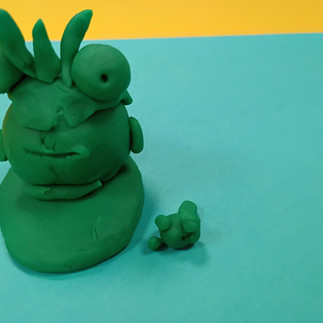



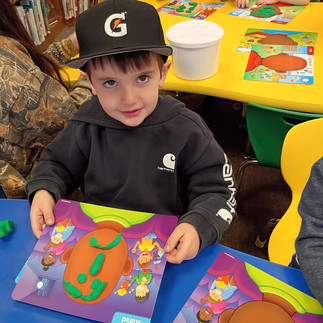


Why Use Clay in Storytime?
Clay is a versatile medium that invites children to shape their ideas into tangible forms. Unlike drawing or painting, clay adds a three-dimensional aspect to storytelling. This physical interaction helps children connect more deeply with the story and characters.
Enhances creativity: Kids invent characters, settings, and objects from their imagination.
Improves motor skills: Manipulating clay strengthens hand muscles and coordination.
Encourages storytelling: Creating figures prompts children to narrate and expand on the story.
Supports sensory learning: The tactile experience of clay engages multiple senses.
Using clay during storytime turns passive listening into active participation, making stories more memorable and meaningful.
Getting Started with Clay Storytime
To begin, gather simple supplies: non-toxic modeling clay in various colors, a clean workspace, and a favorite storybook. Choose stories with vivid characters and clear scenes to inspire clay creations.
Step-by-step approach:
Read the story aloud. Pause at key moments to discuss characters or settings.
Invite children to imagine. Ask questions like, "What does the hero look like?" or "Can you show me the magical forest?"
Create clay figures. Encourage kids to shape characters or objects from the story.
Build scenes. Arrange figures to recreate important story moments.
Retell the story. Use the clay models as visual aids while narrating.
This process makes storytime interactive and helps children internalize narrative elements.
Ideas for Clay Story Projects
Here are some creative ways to combine clay with storytelling:
Character Creation
Have children sculpt the main characters from a story. For example, if reading "The Three Little Pigs," kids can make the pigs and the wolf. This helps them focus on character traits and roles.
Setting the Scene
Encourage kids to build the story’s environment, such as a castle, forest, or underwater world. This expands their understanding of the story’s context and setting.
Story Sequencing
Create small clay models representing different parts of the story. Children can arrange these in order to practice sequencing and comprehension.
Invent a New Ending
After making clay figures, invite children to imagine a different ending for the story. They can use their models to act out their version, fostering creativity and critical thinking.
Tips for Successful Clay Storytime
Use soft, pliable clay that is easy for small hands to shape.
Keep sessions short and focused to maintain attention.
Celebrate all creations to build confidence.
Incorporate storytelling prompts to guide children’s imagination.
Allow for group projects to encourage collaboration.
Benefits Beyond Storytelling
Clay storytime supports skills that extend beyond art and literacy:
Language development: Describing their creations helps children build vocabulary.
Problem-solving: Figuring out how to shape clay encourages planning and experimentation.
Emotional expression: Children can express feelings through their characters and stories.
Social skills: Sharing stories and working together promotes communication and teamwork.
Bringing Clay Storytime to Different Settings
Clay storytelling works well at home, in classrooms, or community centers. Here are some ways to adapt it:
At home: Parents can use clay to make bedtime stories more engaging.
In schools: Teachers can integrate clay projects into reading lessons.
Libraries: Storytime sessions with clay crafts attract more participation.
Therapy: Art therapists use clay to help children express emotions through stories.
Encouraging Ongoing Creativity
To keep the excitement alive, consider these ideas:
Create a storybook featuring photos of the clay models.
Host a clay story exhibition where children present their creations.
Combine clay with other materials like paper or fabric for mixed-media storytelling.
Use clay to explore cultural stories and traditions.
By making clay a regular part of storytime, children develop a lifelong love for both art and reading.